

Jenny Robert: Discover What Texture Means in Interior Design
Texture is an essential part of any great interior project. Not only does it add depth, interest and contrast, but texture can also be used to add warmth and comfort to a room, such as with a plush, velvet sofa or a soft, shaggy rug. Let’s discover more about what texture really means and how you can incorporate it into your design.
Texture can be created through a variety of means, including the use of different materials, patterns, and finishes. For instance, a textured wallpaper or a patterned fabric can add depth and interest to a room, while a matte finish on a piece of furniture can create a soft, velvety texture. Conversely, a glossy finish on a surface can create a smooth, reflective texture that adds shine and sophistication to a room.
Texture can also be used to create visual interest in a room by adding depth and dimension and overall, it can have a significant impact on the atmosphere of a space. For example, a room with rough, textured furniture can create a warm, cosy feel, while a room with smooth, shiny surfaces can feel more sterile and cold. By carefully considering the textures in a room, designers can create a specific mood and atmosphere that is tailored to the needs and preferences of their clients.
If you’re not sure where to begin, here are a few tips for incorporating texture into your space…
Mix and Match Different Materials:
Combine a variety of materials with different textures to bring depth to a room. Consider pairing smooth stone countertops with rough, textured furniture items. Alternatively, mix fabrics with different textures and patterns.
Use Textured Lighting Fixtures:
Lighting fixtures with interesting textures can add dimension to your space. Think woven basket pendants or metal lattice chandeliers.
Incorporate Textured Fabrics:
Upholstery, curtains, and throw pillows are a great way to add texture to a room. Try using different fabrics like velvet, linen, or boucle to create a layered and textured look.
Play With Textured Home Accessories:
Small textured accents like baskets, pottery, or woven baskets can add a touch of texture to a room without overpowering it.
Play with Patterns:
Using patterns with different textures, such as a plush velvet with a tweed pattern, can add visual interest. Consider mixing patterns with different textures to create a layered and textured look.


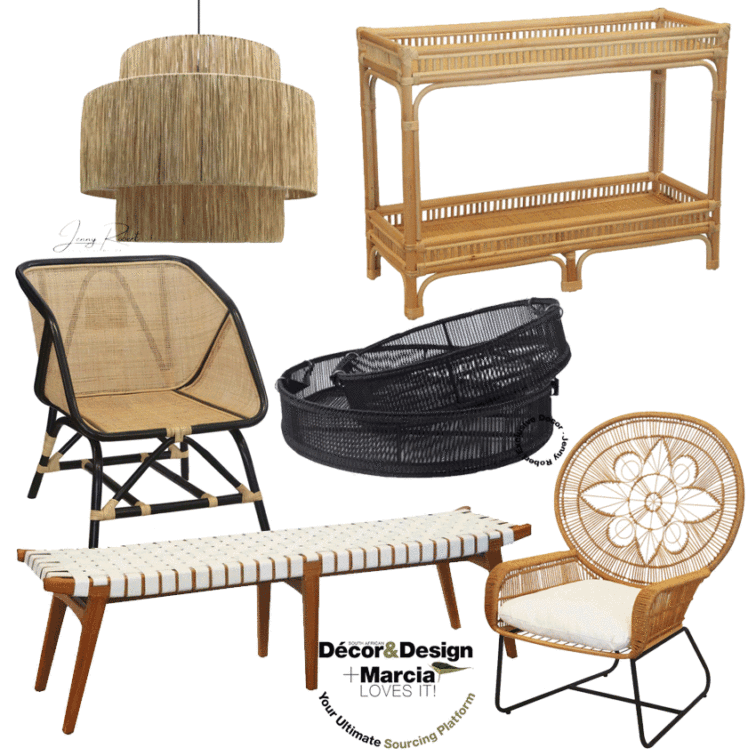
In conclusion, texture is a critical component of interior design. It can subsequently have a profound impact on the look and feel of a space. Whether through the use of different materials, patterns, or finishes, texture can add depth, interest, and contrast to a room. It can also help you create a warm and inviting atmosphere that reflects the personality and style of those who live there.
Check out Jenny Robert Exclusive Decor for a beautiful collection of furniture and accessories to bring texture and life into your design.




You might also like...
-
Melonwoods | Timeless Solid Wood Furniture & Thoughtful Interior Design Details

When designing a space, it is often the details that define the outcome. Beyond layout and furniture, it is the smaller, considered elements – texture, ...
-
The New Altar of Style: Wedding Arches as Statement Design

In the language of modern weddings, décor has become architectural. What was once a simple floral frame has evolved into a defining design element: the ...
-
Add Some Glamour to Summer Picnics with RIEDEL

Elevate your summer picnics with RIEDEL top glassware picks for this summer’s outdoor dining. Warmer days mean more sociable picnics with friends, partners, and family ...
-
Embracing Autumn Interior Design Ideas: Warm Textures & Restorative Spaces

Interiors are starting to mirror the rhythm of the season — softer light, richer tones, and a deeper sense of comfort. Deco Surfaces has observed ...


Visit SA Decor & Design on social media


