


K Light: Your Guide To Hanging Lights At The Right Height
Lighting is a crucial element in the design of every room, but like most features in a space, it does not work in isolation. Learning to hang your lighting at the correct height can make a world of difference in the look and feel of your space. Here’s what you need to know…


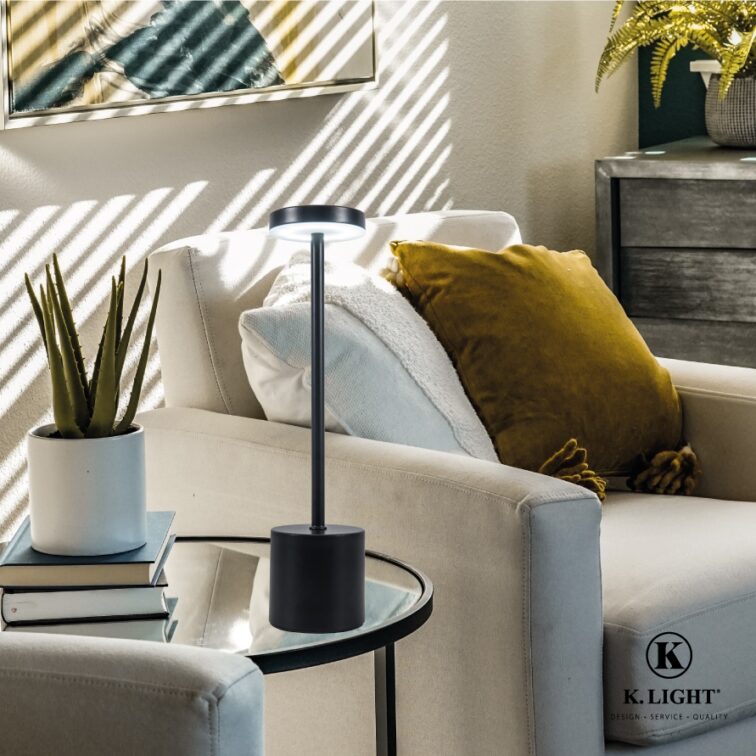
The function of your room:
Before you start hanging lights, it’s crucial to consider the purpose of the room. The lighting in your home should reflect both your individual style and the functionality of the space.
Living Rooms and Dining Areas:
These spaces often benefit from pendant lights or chandeliers. To create an inviting atmosphere, hang these fixtures low enough to provide ample illumination for the task at hand, such as reading or dining. Ideally, the bottom of the fixture should be around 70 to 85 centimetres above the tabletop.
Kitchens:
In the heart of many South African homes, kitchens require adequate task lighting. Pendant lights over islands or workspaces should be hung higher to prevent glare. A height of 75 to 90 centimetres above the countertop is usually ideal.
Bedrooms:
Bedrooms are personal sanctuaries, so the lighting should be adjustable for various activities. Bedside table lamps or wall-mounted sconces should allow for reading in bed without casting harsh shadows. A height of around 60 to 75 centimetres above the nightstand is suitable.
Bathrooms:
Bathroom lighting is essential for grooming tasks. Wall-mounted fixtures should be at eye level to eliminate shadows on the face. Vanity lights should be mounted around 190 to 200 centimetres from the floor for the best effect.
Taking South Africa’s Climate into Account
South Africa’s diverse climate, from the coastal regions to the inland deserts, means that natural light can vary significantly. Depending on where you live, you’ll need to adjust your artificial lighting accordingly.
Coastal Regions: In coastal cities like Cape Town and Durban, homes often have ample access to natural light. To complement this, consider using softer, warmer lighting to create a cozy, beachy ambiance. Hanging lights at lower heights can enhance this effect.
Inland Regions: In places like Johannesburg or Pretoria, where sunshine is abundant but harsh, you may want to focus on functional lighting. Hanging lights slightly higher can reduce glare and make indoor spaces more comfortable.
Highveld and Karoo: In the high-altitude areas and arid landscapes, natural light can be intense. To balance this, use adjustable fixtures like dimmable pendant lights or wall sconces. They can be positioned to adapt to changing lighting conditions throughout the day.


Getting it right
Getting the height right when hanging lights is more than just an aesthetic choice; it’s about creating the perfect atmosphere for your space and lifestyle. By considering the room’s function and the unique climatic conditions of your region, you can illuminate your home in a way that is both functional and visually appealing. So, whether you’re savouring a sunset in Cape Town or embracing the highveld’s sunny days, let your lighting choices reflect the beauty of South Africa and the uniqueness of your home.
For more visit K Light.


You might also like...
-
Handmade Beaded Lighting by The Handmade Story | Sculptural Clay Chandeliers & Pendants

Light has the quiet power to redraw a room – to soften hard lines, heighten ceilings and turn blank walls into living surfaces. In ...
-
Orbit by Mash.T Design Studio: Telewire Reimagined in Contemporary South African Design

Movement, tension and balance converge in Orbit, the latest piece from Mash.T Design Studio. Crafted from telewire, copper and mild steel, the work carries a ...
-
Autumn Transitions: A More Considered Approach to Living

Autumn encourages a return to simplicity. To slower evenings, smaller gatherings, and spaces that feel grounded rather than styled. At Stellar Lighting, this shift ...
-
Casarredo Presents: Winter Comforts and the Warmth of Tom Dixon Lighting

In winter, winter lighting comfort with Tom Dixon starts with the way a room feels when the light changes. As the days become shorter in ...




Visit SA Decor & Design on social media


